A Full House Renovation, Done Properly: What Changes When You Redesign Everything

KILLARA HOUSE - KAIKO DESIGN INTERIORS & STYLING
Many renovations begin with a single room.
A kitchen feels outdated. A bathroom needs updating. A living room lacks warmth or character. Small improvements can certainly make a difference, but they rarely address the deeper structure of a home.
When a renovation is approached as a complete redesign, something more fundamental changes. Layout, light, materials and movement begin to work together rather than existing as isolated decisions. The home starts to feel composed rather than gradually assembled over time.
A well planned full house renovation allows every design decision to support the next, creating a cohesive environment where architecture and interiors feel naturally aligned.
The Difference Between Updating and Redesigning
Updating a home often focuses on surfaces. New cabinetry, fresh paint or updated fixtures can improve the look of a space, but the underlying structure of the home usually remains unchanged.
A whole home renovation works differently. Instead of focusing on individual rooms, the design process considers how the entire house functions. Circulation, proportions, natural light and spatial relationships become central to the redesign.
When a home is redesigned as a whole, the goal is not simply to improve individual spaces but to rethink how the entire environment supports daily life.
This is why successful projects begin with careful home renovation planning, where layout, materials and lifestyle needs are considered before any construction begins.
Layout and Flow Begin to Transform
One of the first things that changes during a full renovation is spatial flow.
Older homes often evolve gradually, with rooms added or modified across decades. The result can be awkward transitions, disconnected living areas or circulation paths that interrupt how people move through the house.
A thoughtful redesign focuses on improving home layout design, allowing rooms to connect more naturally.
Living spaces might open toward natural light. Kitchens may shift closer to dining areas. Hallways can become quieter transition spaces rather than wasted corridors.
The most successful homes rarely feel dramatic or complicated. They simply feel intuitive to move through.
When spatial relationships improve, the entire house begins to feel calmer and more balanced.
Lighting Becomes Part of the Architecture
Lighting often reveals whether a renovation has been thoughtfully designed or simply updated.
In room by room renovations, lighting is frequently added as an afterthought. In a full redesign, lighting becomes an essential part of the interior design strategy from the beginning.
Natural light is considered alongside artificial lighting. Windows may be repositioned or enlarged to improve daylight throughout the home. Interior lighting layers are then introduced to support different moods and activities.
Pendants, wall lights and concealed lighting work together to shape the atmosphere of each room.
Light is one of the most powerful tools in interior design. When it is planned early, it enhances both architecture and materials.
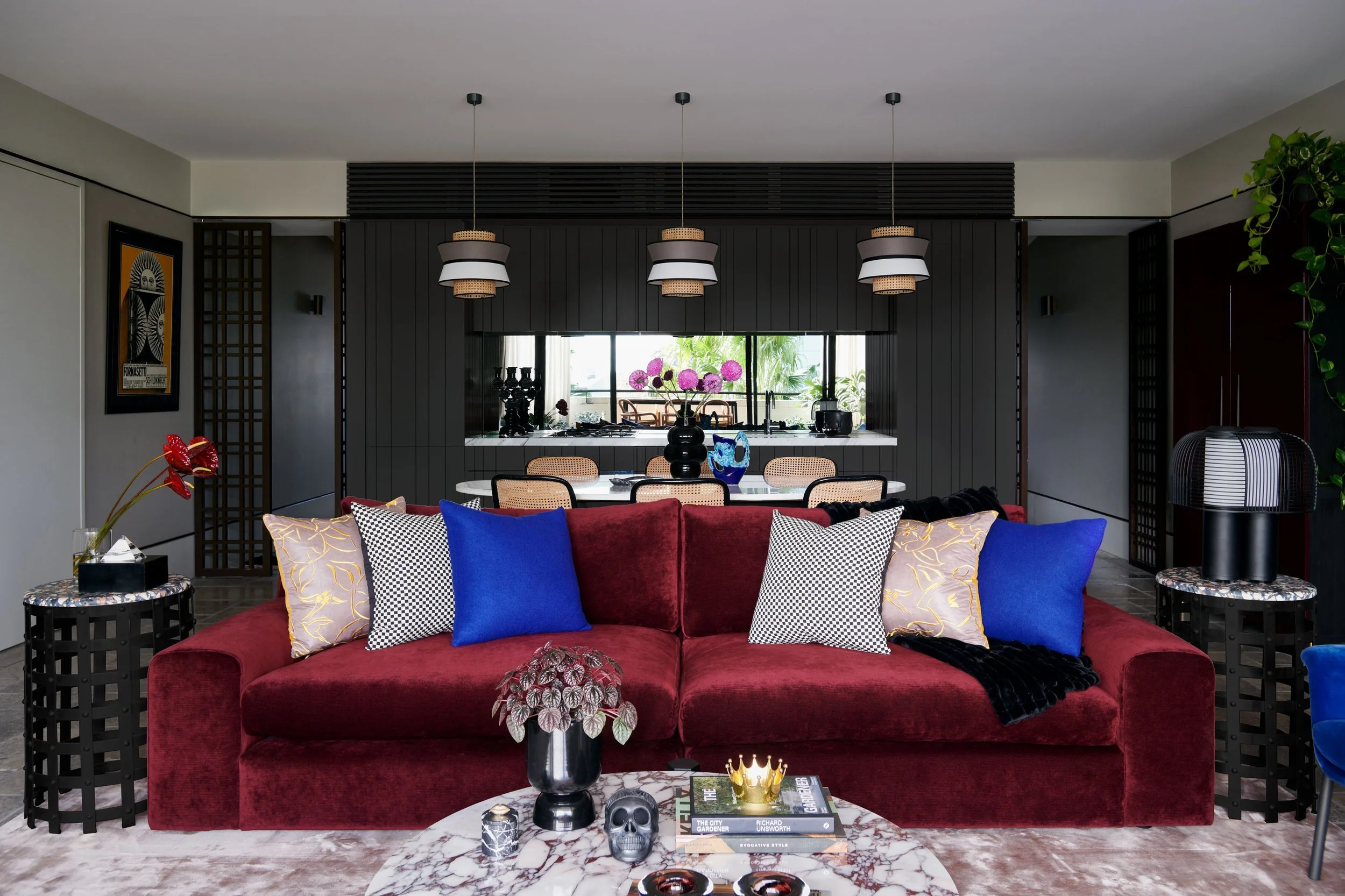
DANK STREET APARTMENT - KAIKO DESIGN INTERIORS & STYLING
Materials and Colour Begin to Work Together
Another major shift in a complete renovation is the way materials and colour palettes are developed.
When rooms are renovated individually, materials often change from space to space. Flooring, finishes and colours may feel unrelated, creating visual fragmentation throughout the home.
A full renovation allows designers to develop interior colour palettes and material selections that flow across the entire house.
Timber flooring may continue through living spaces. Natural stone might appear in kitchens and bathrooms. Colour palettes evolve gradually from one room to another rather than changing abruptly.
This approach creates a sense of continuity that is difficult to achieve through smaller renovations.
Storage and Function Become Integrated
Full redesigns also allow practical needs to be addressed more thoughtfully.
Instead of adding storage wherever space happens to exist, designers incorporate bespoke joinery into the architecture of the home. Wardrobes, shelving and cabinetry become part of the spatial design rather than separate additions.
This integrated approach improves both function and visual clarity.
Good storage is rarely noticed when it works well. It simply allows a home to feel calm and organised.
In a well designed renovation, practical elements quietly support the experience of the space.
The Emotional Impact of a Cohesive Home
Perhaps the most noticeable change in a full renovation is how the home feels.
When layout, light, materials and colour are developed together, the result is a space that feels calm and intentional. Rooms connect visually and spatially, allowing the entire house to function as a unified environment.
This emotional quality is often what homeowners respond to most strongly once a renovation is complete.
Instead of individual rooms feeling newly updated, the entire home begins to feel balanced and thoughtfully composed.
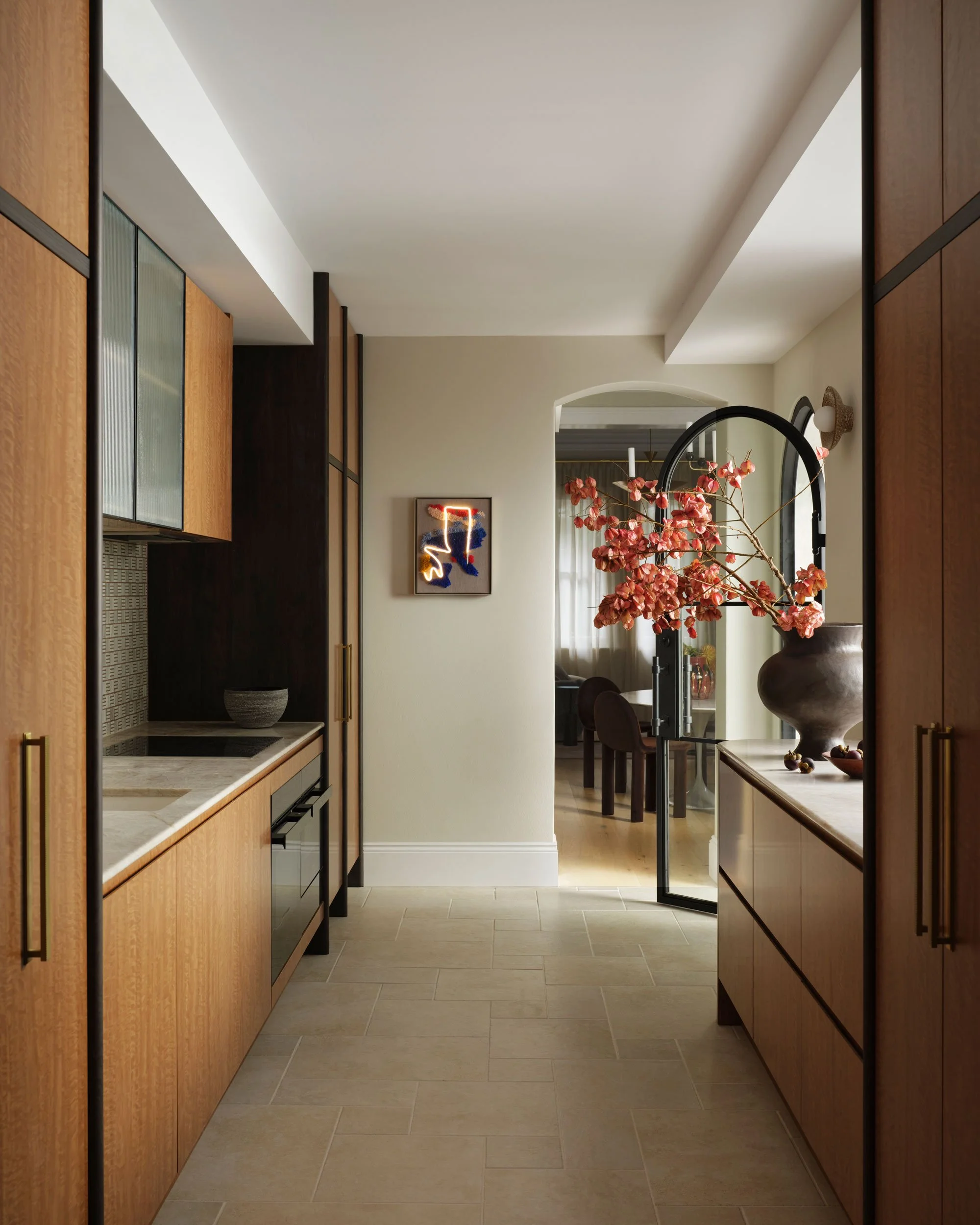
CHIPPENDALE TERRACE HOUSE - KAIKO DESIGN INTERIORS & STYLING
Why Professional Planning Makes the Difference
Because full renovations involve so many interconnected decisions, they benefit from a structured design process.
Understanding the interior design process helps ensure that layout, lighting, materials and budget considerations are aligned before construction begins.
Early planning also clarifies interior design costs, allowing homeowners to make informed decisions about where to invest and where to simplify.
The most successful renovations are rarely the most expensive ones. They are simply the most carefully planned.
When design thinking guides the process from the beginning, every element of the renovation contributes to the overall vision of the home.
Redesigning a Home, Properly
A full renovation is not just about replacing finishes or updating rooms. It is an opportunity to rethink how a home works entirely.
Through thoughtful home redesign, layout becomes intuitive, materials feel connected and light enhances the architecture of the space.
The result is a home that feels cohesive rather than pieced together. One where every room supports the next, and every design decision contributes to a calm and balanced environment.
Considering a Full House Renovation?
Redesigning an entire home can feel like a significant undertaking, but with the right planning it becomes an opportunity to create a space that truly reflects how you live.
At Kaiko Design Interiors, we guide clients through the entire interior design process, from early concept development through to the final details of materials, lighting and spatial planning.
If you are considering a full house renovation or exploring ideas for Sydney home renovations, you can book a discovery call with our team to discuss how thoughtful design can transform your home from the ground up.