The Difference Between a Styled Home and a Designed One
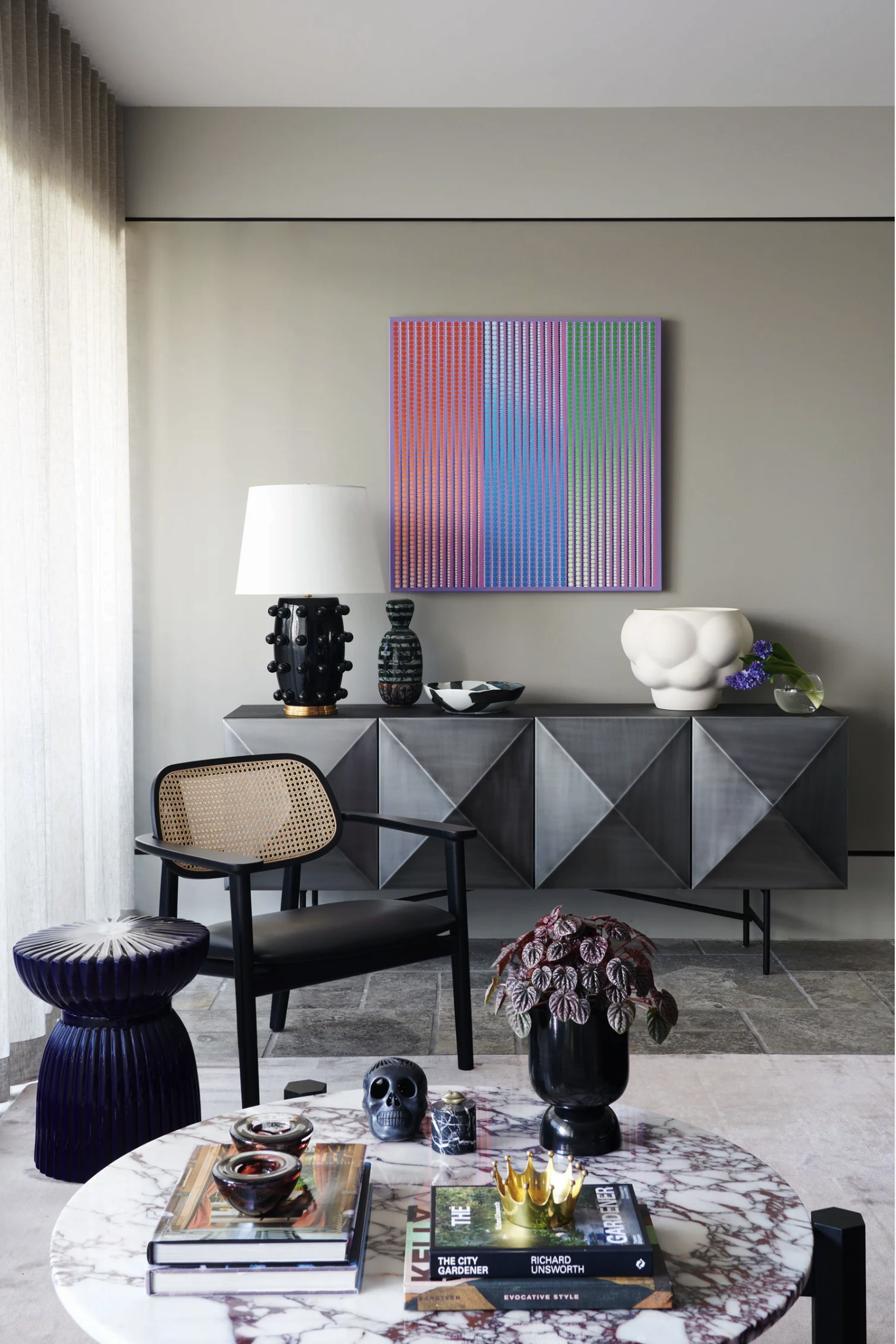
DANK STREET APARTMENT - KAIKO DESIGN INTERIORS & STYLING
Everyone recognises when a space feels right.
It might be the way the rooms connect, how the light moves through the house, or the quiet balance between colour, texture and form. Most people cannot quite explain why it works. They just feel it.
Often homeowners begin by thinking they need a few finishing touches. A new rug, a different lamp, perhaps a rearrangement of furniture.
Sometimes that works. Other times it becomes clear that what the home really needs is interior design, not just styling.
Understanding the difference between a styled home and a designed home changes how people approach renovating, furnishing and refining their space.
What Styling Actually Does
Interior styling works at the final layer of a room.
It focuses on atmosphere. Furniture placement, textiles, artwork and objects that bring warmth and personality into a space. A stylist works with what already exists and enhances the visual composition.
This approach can transform a room quickly. A carefully chosen rug can anchor the furniture. Art can shift the focus of the room. Lighting can soften the mood.
Styling often works beautifully when the architecture and layout are already resolved.
In those situations, thoughtful styling can elevate a space without changing the structure of the home.
What Interior Design Does
Interior design begins much earlier.
Rather than focusing only on how a space looks, designers consider how the home functions. How rooms connect. How circulation works. How materials and light shape the experience of living in the space.
It can involve refining space planning, designing joinery, selecting materials and coordinating lighting. These decisions shape the structure of the interior long before furniture or decoration enters the picture.
In many projects, the difference becomes obvious when the layout begins to change. Walls shift, rooms open up, storage is integrated and the home begins to flow more naturally.
That process forms the foundation of a well designed home.
At Kaiko Design Interiors, this is where our work typically begins. Understanding how a home should feel and function before any decorative layer is introduced. You can read more about this thinking in the Kaiko design approach to interiors.
Why the Difference Matters
A styled room may look beautiful in a photograph.
A designed home tends to feel effortless to live in.
When interiors are approached through design rather than decoration alone, decisions are made in relation to the entire house. Colour palettes move naturally from room to room. Materials repeat with intention. Furniture sits comfortably within the architecture.
The result is not just visual harmony but spatial clarity.
For homeowners considering a renovation or full project, understanding the interior design process helps clarify where styling fits within the broader picture.
When Styling Is Enough
Sometimes the bones of a home already work.
The layout feels balanced, the architecture holds its own and the rooms connect easily. In those cases styling can be exactly what the space needs.
A stylist might introduce new artwork, layer textiles or refine the arrangement of furniture to bring warmth and personality into the room.
The changes may appear subtle, but they can dramatically shift how the space feels.

PORT STEPHENS HOUSE 1 - KAIKO DESIGN INTERIORS & STYLING
Still unsure? send us an enquiry or
When Design Is Needed
In other homes, styling alone cannot solve the underlying issues.
A room might feel awkward despite beautiful furniture. Circulation might be disrupted. Lighting may not support the way the space is used.
These moments usually reveal the difference between interior design vs decoration.
Decoration enhances what already exists. Design reshapes the structure of the space itself.
Projects that involve renovations, layout changes or full furnishing typically benefit from a design approach from the beginning.
The Best Interiors Use Both
The most compelling homes are rarely one or the other.
Design establishes the framework of the interior. Layout, materials, lighting and proportion.
Styling then brings personality and softness through furniture, art and objects.
Together they create a home that feels considered rather than assembled.
For many clients, the process begins with a conversation about how they want their home to feel and how they live within it. If you are considering a project, you can learn more about Kaiko Design Interiors, explore how we approach Sydney homes, or begin with a free discovery call to discuss your space.
For details on scope and investment, our interior design pricing page explains how projects typically unfold.