Why Interior Design Creates a Joyful Home
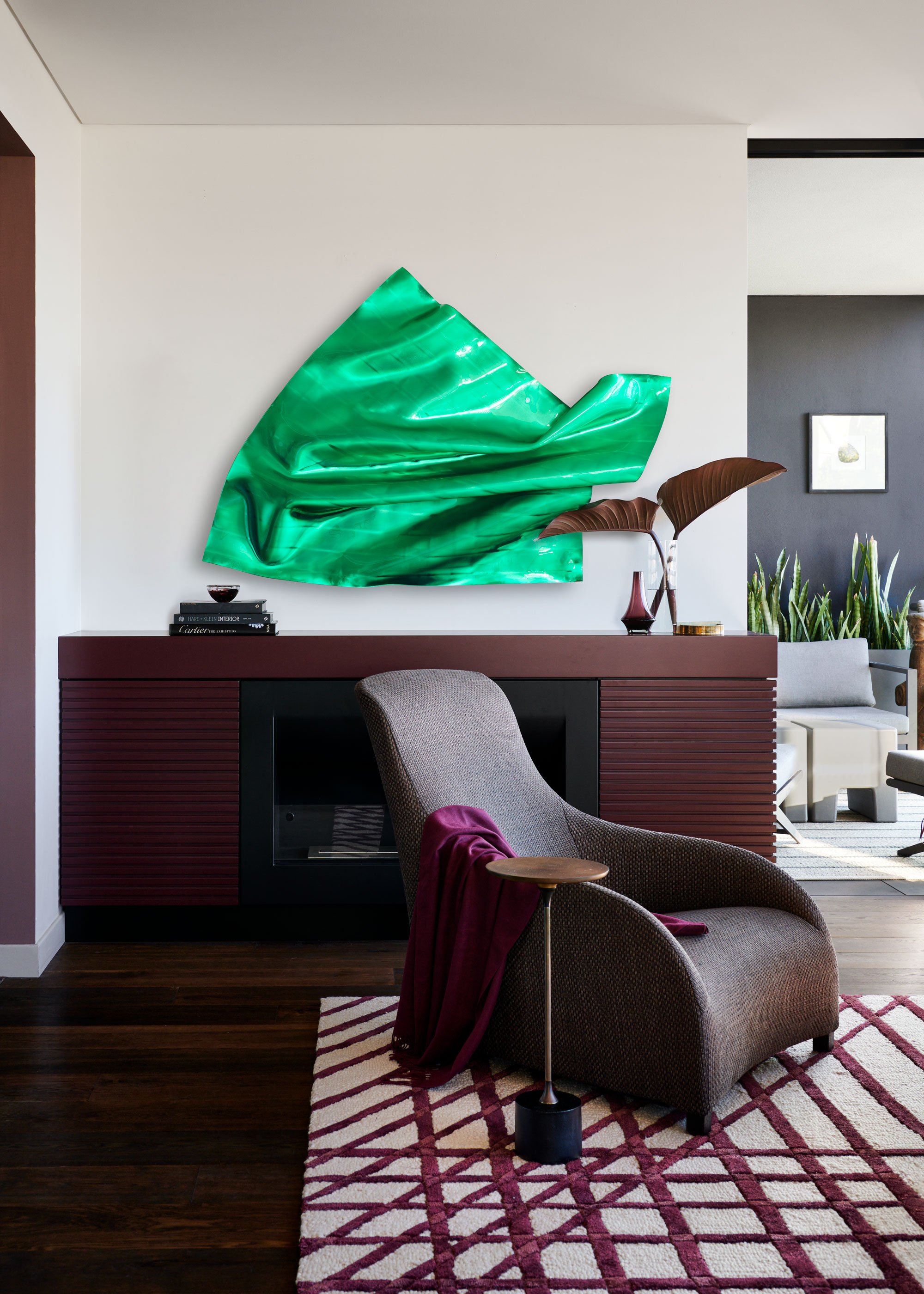
KAIKO DESIGN INTERIORS -DARLINGHURST APARTMENT, SYDNEY: LIVING AND FIREPLACE
A home is the one space that should always feel like it is on your side. It is where the day begins and ends, where you host the people you care about, and where you retreat when everything else is loud. How that home feels is not an accident. It is the result of decisions about colour, light, proportion, texture and the objects you live with. Good interior design brings those decisions together so the space works hard and feels effortless. At Kaiko Design, a Sydney interior design studio, that is the whole point of the work: a home that supports the way you actually live, and lifts your mood a little every time you walk in.
Good Design Shapes How a Home Feels
There is a difference between a house that is decorated and a home that is resolved. Decoration sits on the surface. A resolved home is planned from the ground up, so the flow between rooms makes sense, the light is used rather than fought, and every material earns its place. That resolution is what creates the feeling people describe as calm, or warmth, or simply being pleased to be home.
Colour does a great deal of this quiet work. The right palette can make a north-facing room feel generous, soften a hard architectural line, or give a family space energy without tipping into noise. Texture and pattern add depth that a photograph rarely captures but the body always registers. Lighting sets the emotional register of a room from morning to night. When these elements are considered together rather than chosen in isolation, a home starts to feel coherent, and coherence is what the eye and the nervous system read as ease. This human-centred, colour-led thinking sits at the heart of the Kaiko Design approach.
The Benefits of Working with an Interior Designer
A good designer changes the outcome and the experience of getting there. The first benefit is expertise. Years of resolving real projects means anticipating the problems that cost owners time and money: the joinery that will not fit once the skirting is in, the beautiful stone that stains, the lighting plan that leaves the kitchen bench in shadow. That judgement is difficult to buy any other way.
The second is a plan built around you. A studio that practises residential interior design properly starts with how you live, not with a look. The result is a scheme that fits your routines, your family and the way you want to feel at home, rather than a template applied to your floor plan.
The third is access. Designers work with trade-only suppliers, makers and workrooms that are closed to the public, which opens up bespoke joinery, custom upholstery and materials you will not find on a showroom floor. The fourth is a properly managed outcome. Someone holds the whole project together, so the pieces arrive in the right order and the design survives contact with the building site. There is a practical dividend too. A home that is well designed and well documented tends to hold its value, which matters whether you are staying for decades or building for the long term.
If you are weighing up the idea, it helps to understand what a designer needs from you. Our guide on how to brief an interior designer walks through that first conversation.
The Elements a Designer Resolves
Every project comes down to a handful of elements, each with its own demands.
Colour is the studio's starting point and its signature. Used well, colour in interior design does more than please the eye. It defines mood, connects one room to the next, and gives a home a personality that is genuinely yours rather than borrowed from a trend.
Light is the element most people underestimate. Natural light changes a room hour by hour, and a considered lighting design shapes how a space works after dark. Layering ambient, task and accent light is the difference between a room that functions and a room that feels alive.
Furniture is where comfort and proportion meet. The right pieces suit the scale of the room and the life lived in it, so a sofa is somewhere you actually want to sit, not just something that looks correct in a plan.
Texture and pattern give a scheme depth. Linen against timber, a wool rug over stone, a considered print in a quiet room: these contrasts are what stop an interior feeling flat. The finishing layer, the art, the objects, the things that carry meaning, is what makes a house unmistakably one person's home rather than a showroom.
The Design Process From Consultation to Installation
A joyful home is the product of a clear process, not a lucky one. At Kaiko Design the work moves through defined stages, and the client always knows where they stand.
It begins with consultation, understanding the site, the brief and the way you want to live. From there the studio develops a design concept, then tests it through detailed drawings and 3D visualisation so you can see the space before a single decision is committed. Materials, finishes and furnishings are selected and specified, then the project moves to installation, where the scheme is brought together on site.
What holds this together is documentation. Meticulous, detailed documentation removes ambiguity for the trades and protects the design intent from the first drawing to the last. It also underpins the studio's fixed-fee pricing, so the cost of the design work is agreed upfront and you are free to make decisions on their merits rather than watching a meter run. Sound documentation and disciplined coordination are the core of good interior design project management, and they are what give a client real clarity and control.
Kaiko Design Interiors
Kaiko Design is a boutique residential studio working with homeowners across Sydney who want their renovation or new build handled properly. The studio's positioning is specific: colour-led interiors, meticulous documentation and fixed-fee pricing, guided by a philosophy it calls dynamic eclecticism. That means interiors that are timeless and deeply personal rather than trend-driven, designed to suit the people who live in them for years to come.
The work suits full renovations and new builds, where there is scope to resolve a home properly rather than decorate a single corner of it. Clients tend to be people who value expertise and want a considered, well-managed process from start to finish.
A joyful home is not an indulgence. It is a home that fits your life, calms the noise of the day and reflects who you are. That outcome is what considered design exists to deliver, and a clear process is what makes it reliable rather than hopeful. If you are planning a renovation or a new build, you are welcome to talk to the studio about your project.