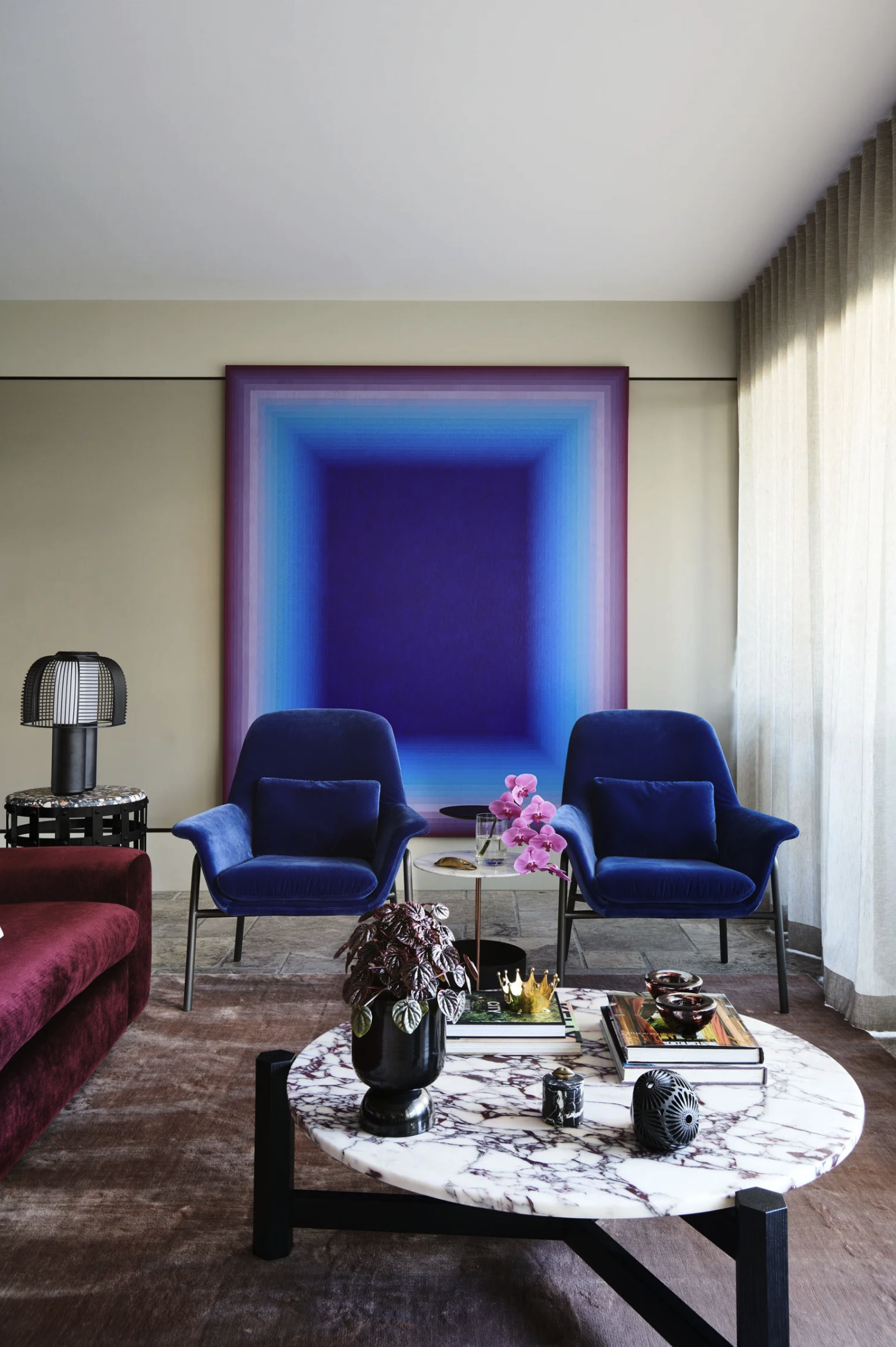
DANK STREET APARTMENT - KAIKO DESIGN INTERIORS & STYLING
Why Interior Design Is Not About “Upgrades” — It’s About Strategy
Renovating a home is often framed as a series of decisions. New finishes. Better lighting. Updated kitchens and bathrooms.
But the success of a project rarely comes down to the individual selections. It comes down to the thinking behind them.
At its best, interior design is not about choosing materials or styling a space. It is about establishing a clear direction for how a home should function, feel and evolve over time and then ensuring every decision supports that direction.
Without that framework, even expensive upgrades can feel disjointed. With it, relatively modest changes can transform how a home works.
The Real Value of an Interior Designer
Most clients come to us thinking they need help with selections. What they actually need is clarity.
how the home should function day to day
where to invest and where to simplify
how spaces should connect to each other
how materials and lighting work together as a whole
This is where the design process becomes critical.
Before any finishes are selected, we focus on planning. Understanding how the client lives, how the space is used and where the friction points are. That early thinking informs every decision that follows.
It is not about making a home look better in isolation. It is about making it work properly.
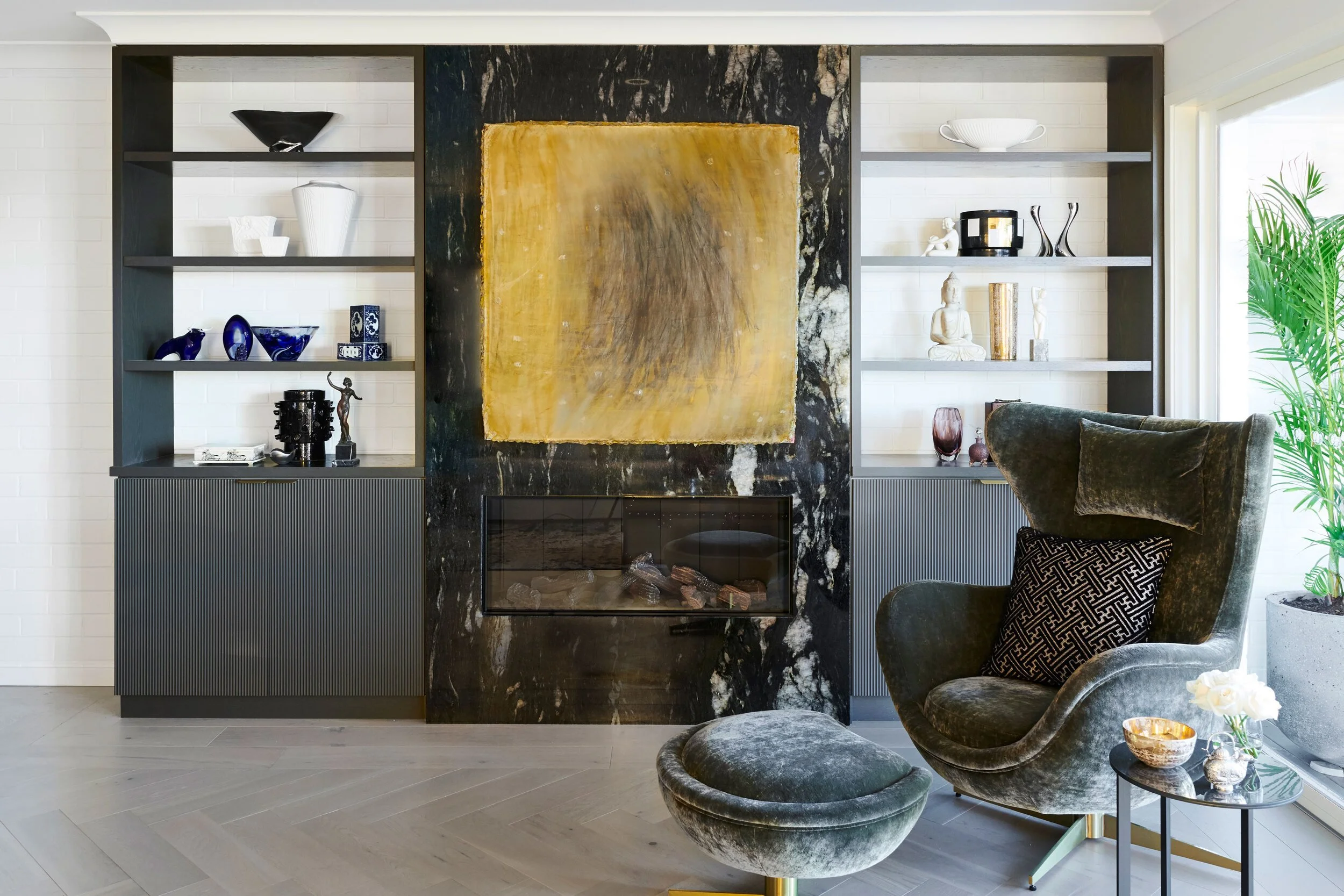
PORT STEPHENS HOUSE 1 - KAIKO DESIGN INTERIORS & STYLING
Why Planning Comes Before Aesthetics
One of the most common mistakes in residential projects is starting with visual decisions too early.
A new kitchen might look impressive. A bathroom might feel luxurious in isolation. But if the layout is unresolved or the broader palette lacks cohesion, the result feels fragmented.
Our process deliberately resists that.
Stage 1 is focused on planning and concept not final selections. We test layouts, refine circulation and establish the overall direction of the home before committing to materials.
This ensures that when finishes are introduced, they are reinforcing something already resolved, rather than compensating for something that isn’t.
Small Changes Only Work When They Are Intentional
There is a lot of discussion around “small upgrades” like changing lighting, updating joinery, refining layouts.
These can be powerful, but only when they are part of a broader strategy.
Lighting is not just about adding fixtures, it is about controlling mood and hierarchy
Joinery is not just storage, it defines how a space is used and experienced
Material selection is not decorative, it creates cohesion across the entire home
Without a clear framework, these decisions remain isolated.
Kitchens and Bathrooms: Where Strategy Is Most Visible
Kitchens and bathrooms often carry the highest budgets, but they also reveal the difference between design and decoration most clearly.
A well-designed kitchen is not defined by stone selection or appliance brands. It is defined by:
how it supports daily routines
how it connects to adjacent spaces
how materials relate to the wider home
The same applies to bathrooms.
Particularly in inner Sydney homes where space is often constrained, success comes down to proportion, layout and restraint. When these are resolved properly, even a compact bathroom can feel considered. Without that discipline, even high-end finishes cannot resolve a poor layout.

KILLARA - KAIKO DESIGN INTERIORS & STYLING
Still unsure? send us an enquiry or
Lighting as a Design Tool, Not an Afterthought
Lighting is often treated as a finishing layer. In reality, it should be considered much earlier.
It shapes how materials are perceived, how spaces transition from day to evening and how a home feels to live in.
A single ceiling light will illuminate a room but not show off its best assets.
Layered lighting: integrated into the architecture, joinery and layout creates depth, hierarchy and atmosphere. It allows the home to function differently throughout the day.
This is rarely achieved through ad hoc decisions. It requires coordination and planning.
Design Decisions That Support Long-Term Value
While every project should prioritise how a client lives, there is a clear overlap between good design and strong resale outcomes. Buyers respond to homes that feel resolved.
Not necessarily expensive, but cohesive. Logical. Considered.
Consistency of materials, clarity in planning and attention to detail signal quality. These are the things that hold value over time, far more than trend-driven upgrades.
This is where strategic design thinking has a measurable impact.
Why the Process Matters More Than the Outcome
The outcome of a project is only as strong as the process behind it.
A structured design process:
reduces costly changes during construction
ensures decisions are aligned rather than reactive
allows budgets to be allocated where they have the most impact
creates a clear, buildable result for consultants and builders
Without this, projects tend to drift. Decisions become reactive. Costs increase without necessarily improving the result.
The role of an interior designer is not just to design the outcome. It is to manage the thinking that gets you there.
A More Considered Way to Approach Renovation
For clients, the shift is simple but important.
Rather than asking:
What should we change?
The better question is:
What is the strategy for the home, and how should each decision support it?
That is the difference between a series of upgrades and a resolved design.
Thinking About Improving Your Home?
Whether you are planning a full renovation or more targeted improvements, the most important step is establishing a clear direction early.
At Kaiko Design, our process is built around that principle. We focus on planning first, then develop a cohesive design that carries through every space and decision.
The result is not just a home that looks considered, but one that works properly and continues to feel relevant over time.