Procurement Explained: Trade Pricing Lead Times and Custom vs Retail
PORT STEPHENS BEACH HOUSE - RESIDENTIAL INTERIOR DESIGN AND DECORATION
Most people think interior design is all moodboards and colour palettes, but the real transformation happens somewhere far quieter. Procurement is where ideas become items and where every detail from sofa seat height to timber tone is resolved with intention. Get procurement right and your home feels effortless. Get it wrong and the entire project wobbles.
At Kaiko Design Interiors we handle procurement with structure and sensitivity balancing trade pricing, realistic lead times and the nuances between custom and retail sourcing. It’s also where our understanding of materials craftsmanship and proportion comes fully into play.
Below we break down how procurement works and how each pathway shapes your project.
What Interior Design Procurement Actually Is
Procurement is the discipline that turns a concept into a complete home. It involves researching, specifying, purchasing and coordinating every item that enters the space including furniture, lighting, rugs, joinery, hardware, art and textiles.
It builds on sourcing but goes further. Procurement manages accuracy, availability and timing. It prevents costly mistakes and ensures your project remains on the approved design.
Where sourcing is inspiration procurement is execution.
Why Trade Pricing Matters
One of the biggest misconceptions in interiors is that designers simply mark up furniture. In reality trade pricing allows access to higher quality pieces and specialised suppliers you won’t find on retail floors.
Trade suppliers offer better construction integrity more finish options and deeper technical support. This leads to greater long term value and fewer replacements. It also means your home feels curated rather than catalogue driven.
Understanding Lead Times
Timelines matter more than most people realise. Quality suppliers often have longer lead times because pieces are made to order not mass produced. This includes solid timber furniture, bespoke upholstery and artisan lighting.
Good procurement is about sequencing the ordering each item at the right moment so installation flows. It avoids last minute compromises and inconsistent deliveries.
This is why procurement begins early in our Interior Design Process. It supports a calm construction phase and ensures every item arrives when the build can accommodate it.

Killara House - RESIDENTIAL INTERIOR DESIGN AND DECORATION
Custom vs Retail: Knowing What’s Worth It
Custom is ideal when:
Scale is specific.
Comfort is critical for daily use.
Finishes must harmonise perfectly.
The design needs something unique.
Retail works when:
You need something quickly.
The piece is decorative rather than structural.
Bespoke sizing is unnecessary.
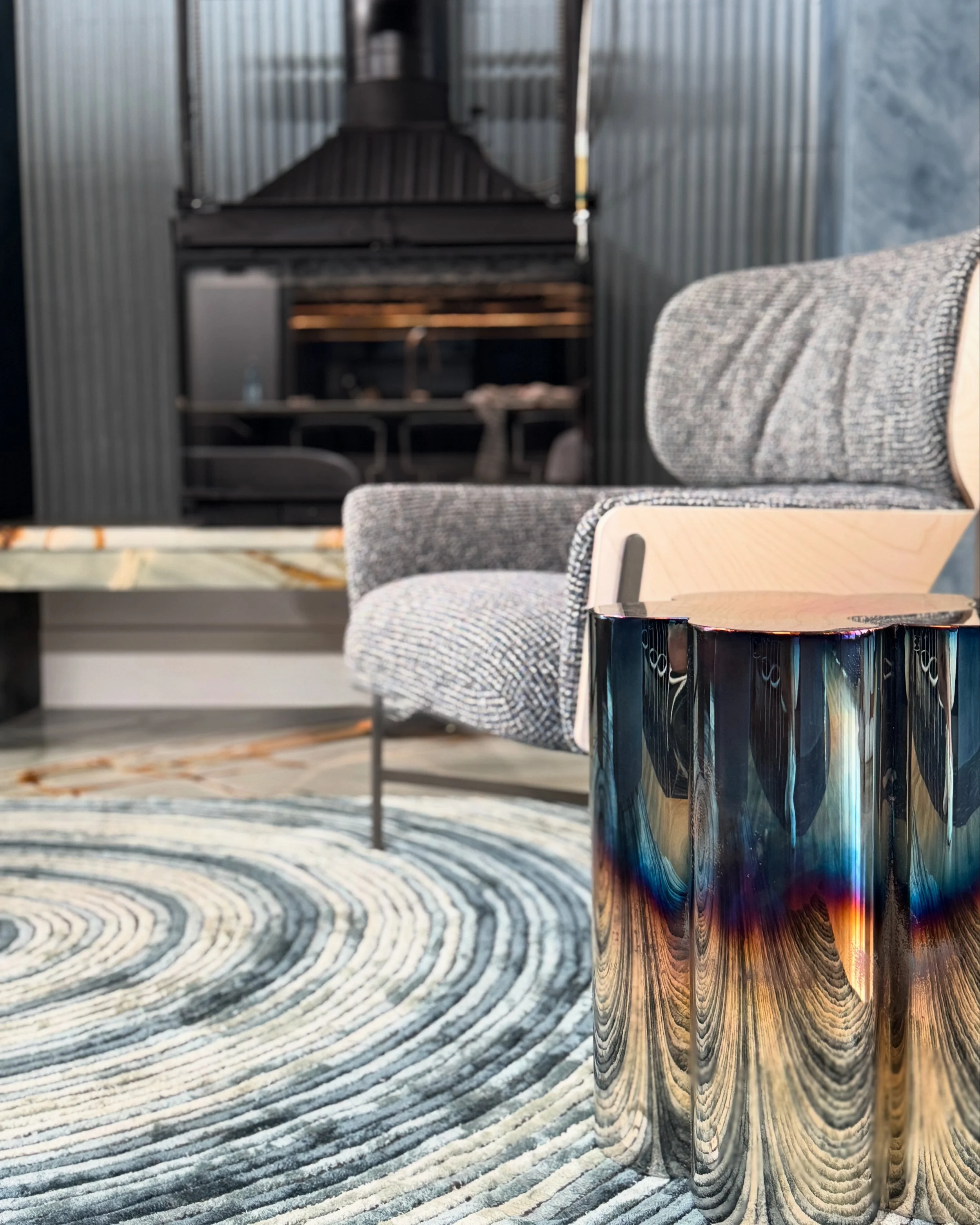
A strong example is our custom rug design created for a coastal project the Beach House Rug. It adds tone and texture tailored to the home.
Why Procurement Protects Your Design Vision
Procurement is not admin. It is quality control. It ensures accuracy comfort durability and aesthetic integrity. It checks dimensions, fabric performance, timber tone & finish and construction details. It ensures what you receive matches what you approved and that installation flows smoothly.
It also protects your investment. When procurement is managed professionally:
Fewer errors occur.
Fewer replacements are needed.
Warranties are tracked.
Installation happens with clarity.
The home feels intentional rather than improvised.
This is the quieter work that elevates a project from good to deeply considered.
Ready to Begin Your Project?
If you are building renovating or furnishing a home procurement will shape the quality and longevity of your space.
A beautifully designed home deserves beautifully sourced pieces.