Interior Designer Eastern Suburbs Sydney
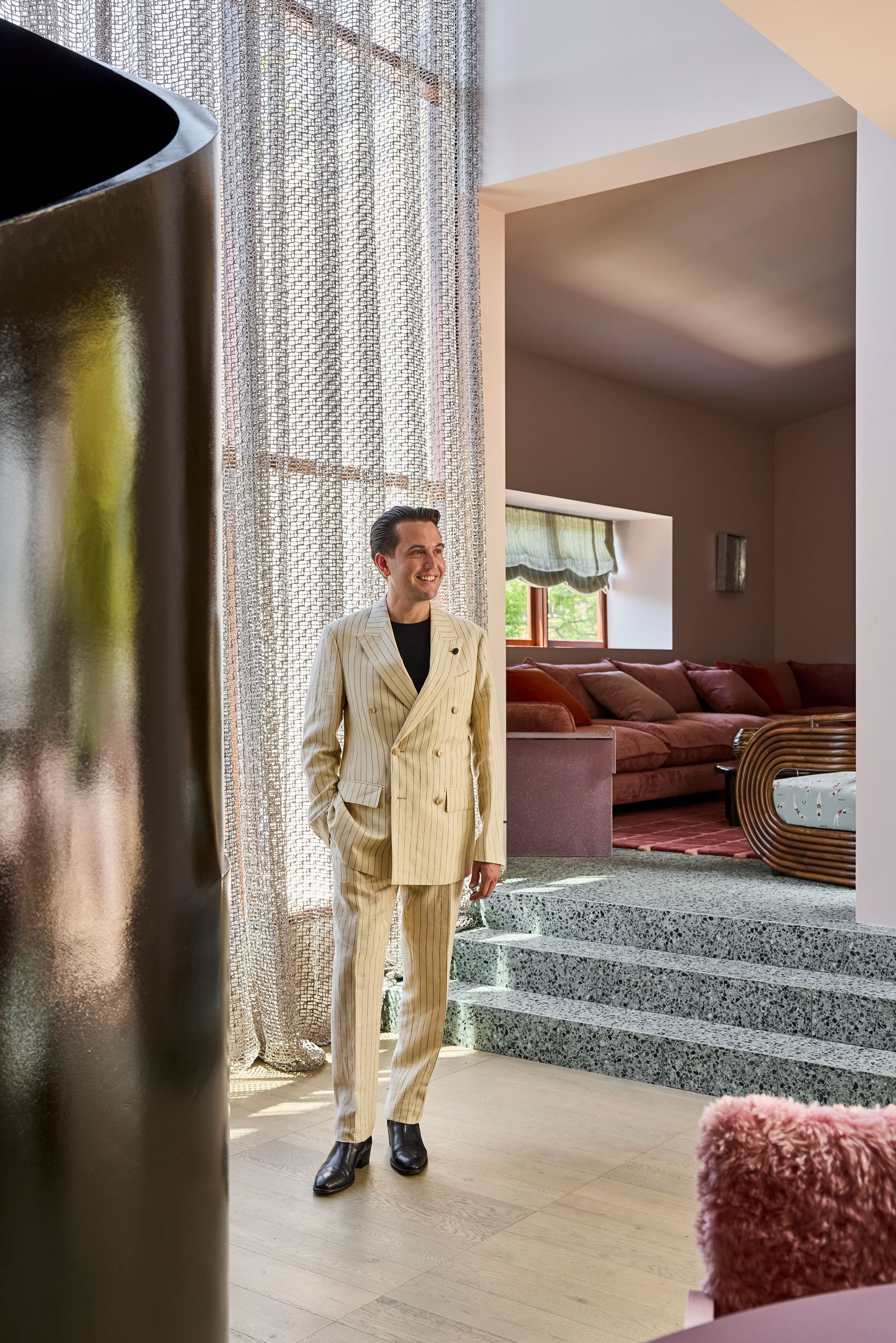
Kaiko Design Interiors - Director, Nic Kaiko
At Kaiko Design we work regularly across Sydney's Eastern Suburbs, Woollahra and Double Bay in particular, an area shaped by two very different building types sitting close together: grand Victorian terraces on leafy heritage streets, and harbourside apartment buildings just a short walk away. An interior designer Sydney clients engage for a project here needs to read which of those two worlds a property actually belongs to, since the rules, and the opportunities, differ sharply between them.
What makes an Eastern Suburbs renovation brief different
Much of this area was built up in the Victorian and Federation periods, which means the housing stock carries a level of heritage character, and heritage scrutiny, that newer suburbs simply don't have. Woollahra Council manages an extensive set of heritage conservation areas and individually listed items, and a brief here usually starts with understanding what's protected before it gets anywhere near colour or furniture. Get that sequence wrong, and a design that looks perfectly reasonable on paper can stall at council for months.
Terrace housing and heritage controls across Woollahra
Woollahra's terrace stock is some of the most heritage-controlled in Sydney, with conservation areas covering whole streetscapes and named Victorian terrace groups individually protected. Narrow lots, shared party walls and protected street façades mean the real design opportunity usually sits at the rear of the property and within the existing footprint, rather than in any change visible from the street. A heritage home renovation in a terrace like this is as much a spatial planning exercise as a decorating one, working out how to make a narrow, deep floor plan feel generous without touching what council won't let you touch.
How Woollahra and Double Bay actually differ
Grouping these two under one "Eastern Suburbs" banner is convenient shorthand, but they ask for genuinely different approaches. Woollahra is terrace and freestanding house territory, governed by some of the strictest heritage conservation rules in the region. Double Bay, by contrast, carries a much higher proportion of apartment stock, prestige buildings close to the harbour and the village shopping strip, where the governing rules shift from council heritage controls toward strata and building bylaws. The village core itself sits within its own heritage conservation area, so even apartment work here can carry a heritage dimension alongside the strata one. Knowing which set of constraints actually applies to a property is the first real decision in any brief.
Houses versus apartments in Double Bay, and why the approach changes
A Woollahra terrace renovation answers to council and heritage requirements first. A Double Bay apartment renovation in Sydney answers to the owners' corporation, building bylaws and common property boundaries as well, common-wall structural limits and waterproofing protocols among them, approvals that run on an entirely different timeline to a council application. The two require different documentation, different timeframes, and different conversations with the client from day one.
Why full-service residential design suits this market
Heritage terraces and strata apartments both carry real complexity, just different kinds, and that complexity is exactly where a residential interior design Sydney studio earns its fee through documentation and process rather than styling alone. At Kaiko Design, our fixed-fee structure and detailed documentation exist for projects with this much riding on getting approvals and specifications right the first time. If you're planning a renovation across Woollahra, Double Bay or the surrounding Eastern Suburbs, get in touch for a discovery call, and we'll talk through what your property specifically requires.