Wall Treatment Ideas That Actually Transform a Space
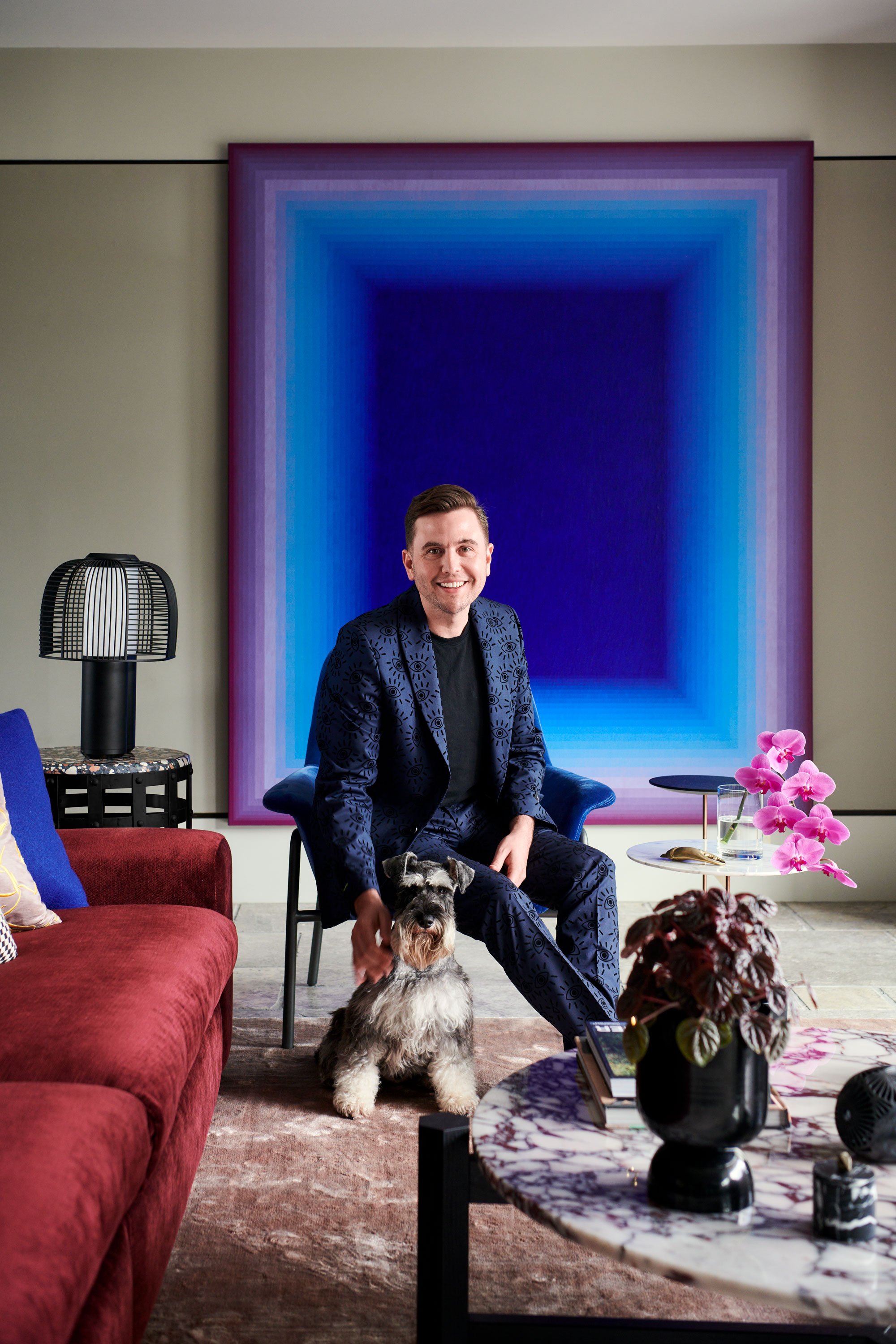
Trend lists are easy. Every year, the same surfaces cycle through the same articles — limewash paint, fluted panels, grasscloth, Venetian plaster — photographed beautifully in spaces that bear no resemblance to how people actually live. At Kaiko Design, our approach to wall treatment ideas starts somewhere different: with the room, the light, and what the client is genuinely trying to achieve.
The walls are not decoration. They are architecture. They set the scale of a space, hold its colour temperature, and determine whether a room feels considered or assembled. Get them wrong, and no amount of furniture or styling will fix it. Get them right, and the rest of the design falls into place.
Here is how we think about it.
The Question Before the Treatment
Before selecting any wall treatment, the first question is always the same: what is this wall actually doing?
Every wall in a room has a role. Some carry the eye toward a view or a focal point. Some recede, letting furniture do the work. Some need to absorb light; others need to amplify it. A wall treatment that ignores these functional realities — that prioritises surface appeal over spatial logic — will look good in photographs and feel wrong to live with.
This is not a reason to be conservative. It is a reason to be deliberate.
Wall Treatment Ideas by Surface Type
Not all wall treatment ideas suit all surfaces. The approach changes depending on what the wall is doing structurally and spatially.
Feature walls
A feature wall earns its place when it anchors a room — behind a bed, behind a sofa, framing a fireplace. It is not simply "one wall treated differently." It is the wall that gives the room its orientation.
Wallpaper is often the right call here, particularly for bold pattern or large-scale print — the kind of visual weight that paint alone cannot carry. Applied plaster, timber panelling, or a strong colour in a high-sheen finish can achieve the same anchoring effect with a different material register.
The mistake is choosing a treatment purely for how it photographs. A feature wall has to work with the room's proportions, its light source, and the furniture placed against it. A floor-to-ceiling botanical print looks extraordinary in a double-height space. In a standard apartment, it can feel oppressive. Scale matters. Context matters.
Perimeter walls
The walls that surround a room — not the focal point, but the field — are often treated as an afterthought. They should not be.
Paint finishes matter here more than people expect. A mid-toned colour in a flat finish reads differently than the same colour in a satin or eggshell. The sheen changes how the room absorbs and reflects light, which changes the mood entirely. In south-facing rooms with limited natural light, a mid-sheen finish can make a significant perceptual difference. In light-flooded rooms, flat finishes hold colour more richly.
Texture can be introduced at this level too — limewash, microcement, and other applied finishes that add movement to the surface without demanding attention. These work best when they are subtle enough to feel like atmosphere rather than feature.
Transitional spaces
Hallways, stairwells, and connecting passages are often the most underworked surfaces in a home. They are also the ones with the highest pedestrian contact, which means durability has to factor into the treatment decision.
These spaces reward bolder wall treatment ideas. Because they are traversed rather than inhabited, the eye does not settle — which means pattern and colour can be pushed further than in a room where you sit with the walls for hours. A heavily patterned wallpaper that would be exhausting in a bedroom can feel electric in a hallway.
The Texture Conversation
Textured wall treatments — the category that includes applied plasters, panelling, fabric coverings, and 3D surface finishes — have moved from niche to mainstream. And with that shift, the quality of the conversation around them has declined.
Most of the content written about textured finishes treats them as a synonym for "interesting." They are not. Texture is a tool with specific applications. Applied at the wrong scale or in the wrong context, it adds visual noise rather than visual interest.
Our position on innovative wall finishes is this: they work best when they serve a spatial purpose. Fluted timber panelling that draws the eye upward to increase the perceived height of a room — that is purposeful. Venetian plaster applied to a wall to add depth to an otherwise shallow space — purposeful. Grasscloth wallpaper in a dining room to soften acoustics without altering the colour palette — purposeful.
Texture as decoration, applied to make a room feel "done," rarely holds up. The rooms that feel genuinely resolved have texture as part of their material logic, not as a surface afterthought.
Colour Within Wall Treatments
Wall treatments do not exist in isolation from colour. They are often the vehicle through which colour is introduced — and the relationship between the two deserves more attention than it typically receives.
A limewash finish applied in a deep sage reads very differently than the same finish applied in a warm white. The technique creates movement in the surface; the colour determines the emotional register of that movement. Choosing the right paint colour is therefore not a separate decision from choosing the treatment — it is part of the same decision.
The same applies to wallpaper. A geometric paper in a muted palette can feel restrained and sophisticated. The same geometric in a high-contrast colourway becomes graphic and high-energy. The treatment and the colour have to be resolved together, not sequenced.
When to Use Multiple Wall Treatments
There is a version of this that reads as indecision: too many treatments in a single space, each competing for attention. There is another version that reads as richness. The difference is always in whether the treatments were chosen in relation to each other, or chosen individually and installed together.
Combining wall treatments successfully means understanding what each surface is doing and ensuring the treatments are in dialogue — different textures, perhaps, or different finishes, but within a consistent material language. Limewash above a picture rail, with a deeper tonal paint below? That works because it is a single material idea executed in two registers. Limewash beside grasscloth beside timber panelling? That requires an extremely controlled hand to avoid cacophony.
The general principle: treat fewer surfaces more intentionally.
The Decisions That Matter
At Kaiko Design Interiors, our approach to residential interior design treats wall treatments as a structural decision, not a finishing one. They come into the conversation early — alongside flooring, furniture, and lighting — because they carry the same weight in determining the spatial experience of a room.
The wall treatment ideas that work are not the ones that look best on a moodboard. They are the ones chosen with a clear understanding of how natural light moves through the space, how the room is used, and what material story the whole interior is telling. That analytical layer — the one that sits behind the aesthetic decision — is what separates a considered interior from a decorated one.
If you are working through wall treatment decisions for a renovation or new project, a discovery call with the studio is the best place to start.